If there’s a repetitious lesson derived from the last 18 months of my life, it’s the fact that grief is very weird. An amalgamation of unknown entity, evading the occupied recipient with each inquisitive identification or classification. Without my own consent or conscious decision, this lesson has metastasized into a constant in my life; an anchor in which to ground myself when feeling slightly unlike myself. Strangely enough, there’s humor to be found in this notion though; as grief, in and of itself, is very constant.
Those who have encountered life altering forms of grief, be them often traumatic, will compare grief to an analogy of the ocean. Grief will always come in ‘waves’, they say. In the beginning, the waves will be ever constant and unrelenting, never stopping in their attempts to pull & lure you out to sea. They tell you the waves will be unpredictable in size. Sometimes, they’re ankle height, barely a registration, a fleeting memory of loss. At other times, they’ve grown larger, now chest deep. These waves, they make your eyes swell up. It’s the result of a double take, as the person at the table across from you bears an uncanny resemblance to someone you lost. And once in a while, you are facing the shore, your back to the ocean, blissfully distracted. Here, grief is a rogue wave sneaking up behind you, and you’re unaware of its presence until the wave pulls you under. These are the days you surrender to the unforgiving world. You shed tears in the back corner of a subway car, all alone, and the only thing to anchor you down is sleep. The sleep sometimes does not come, though at least you feel safe.
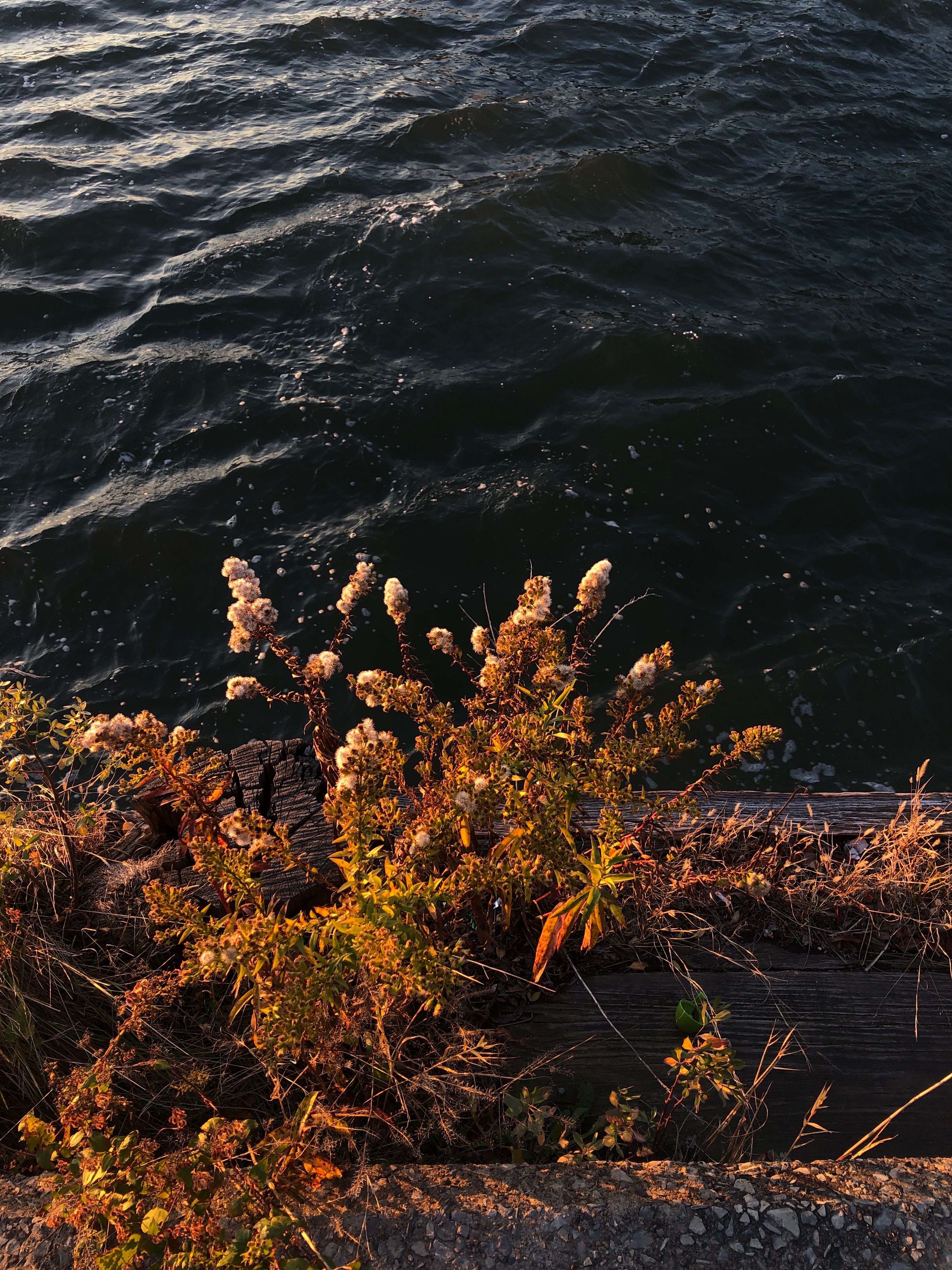
Viewing grief through a lens of only your own memory is an uncomfortable nostalgia. It’s messy, distracting, and skewed - blurred often by the cave of emotions one succumbs themselves into.
In January of 2022, as the pandemic was seemingly coming to a crawl, and people beckoned for a return to whatever sanctimonious normal they waxed nostalgic for, my mother passed away. The month prior saw the rapid descent of her decline. My own mental state during December attempted to feebly disassociate between the reality of her progressing prognosis, while seeking refuge in the corners of the childlike vacuum of the holiday season. This period can only be seen as an impending crash, the destination approaching without preparation. Peering back, the time felt like it existed in two separate speeds - both the longest & shortest December, within my life. Without jumping into specific details, the event was obviously momentous. A defining moment in my life, easily distinguishable within myself - a marker, you could say. There’s my whole existence before her death, and there’s everything after.
It would be fair to believe life pauses due to personal detriments. A followed expectation of once you’re knocked down, the beating will cease. The months, post my mother’s death, contained an onslaught of rogue waves. Each individual one compounding & snowballing against an already brutalizing beginning of the year. Despite the cacophony of chaos, the world was moving on. Life, unfortunately, waits for no one. There’s no pause button, no white flag to wave. Only an echo in response to the words “No more for today, for the next while”.
When handling any adversity, it’s in my nature to pull away, to isolate, and leave those who extend their helping head in the shadows. There’s an innate fear of being a burden, of showing vulnerability and/or appearing weak. Casting ego aside and confessing to the world you’ve been deeply emotionally wounded has never been my forte. How is survival possible in such a cut throat (though often self-constructed) society, if there’s a lack of strength to stand on my own? Admittance of help, while logically sound, is unquestionably terrifying.
In retrospect, comprehending how vital community could be to recovery was a lesson long learned for myself. If you’ve sought help (therapy), have a loving support system (and add a dash of good luck), you will be swimming among others who can hold you through the different rising tides. The more adjacent anchors you have in your vicinity it seems, the more buoyant you will become. The hurdle comes in remembering there are people who love you, and who are there for you. Keeping this belief afloat is a formidable battle against every cresting thought. When plunged into the depths of your grief, it’s quite difficult to open your eyes in the murky water and see others surrounding you. But they are there, and they always will be; even if they themselves will never truly understand what you’re going through.
Hope. Hope was never a word that crossed my mind while the multitude of calamities were existing in my life simultaneously. As mentioned previously, my belief was staunchly structured on a head down, “this will pass, eventually”, mentality. Hope was only a word attributed to those who were truly suffering. And for myself, there was no belief my grief fell under this category. How could this term ever be applied to myself, if my reigned reality was never confronted? Who was I to believe I was facing adversity or suffering? To admit such a thing, would be admitting defeat. Running away made time move faster, occupying my existence with distractions and adventures. In time, my mind was able to ‘listen’ to the song of hope; a song that never stopped playing even when the shadows were cast long.
Finding hope in the media we consume seems a bit strange when dealing with grief, especially if you extrapolate the idea to an almost ‘meta’ level. The wonderful, and often beautiful, part of the human experience, is the fact we all have lived many lives within one life. Art forms such as music, film, and even podcasting, have allowed a transcendence of the lives of those who produce these pieces of art, placing & integrating them gently into our own reality for us to consume. These art forms shape the way we interact within the world, how we’re cognizant of it, and how we reconstruct those forms to impact ourselves. We gain the ability to have a shared experience, even if we’ve never met the individual responsible.
When the pandemic swung around in March of 2020, my then residence was in Raleigh, North Carolina. Trying to keep one’s mind straight during this time was like finding balance on a violently rocking ship. While simultaneously swallowing the internal panic of the world around us, my mind was able to find solace in one of my favorite podcasts - John Green’s The Anthropocene Reviewed.
And also walking. Lots & lots of walking.
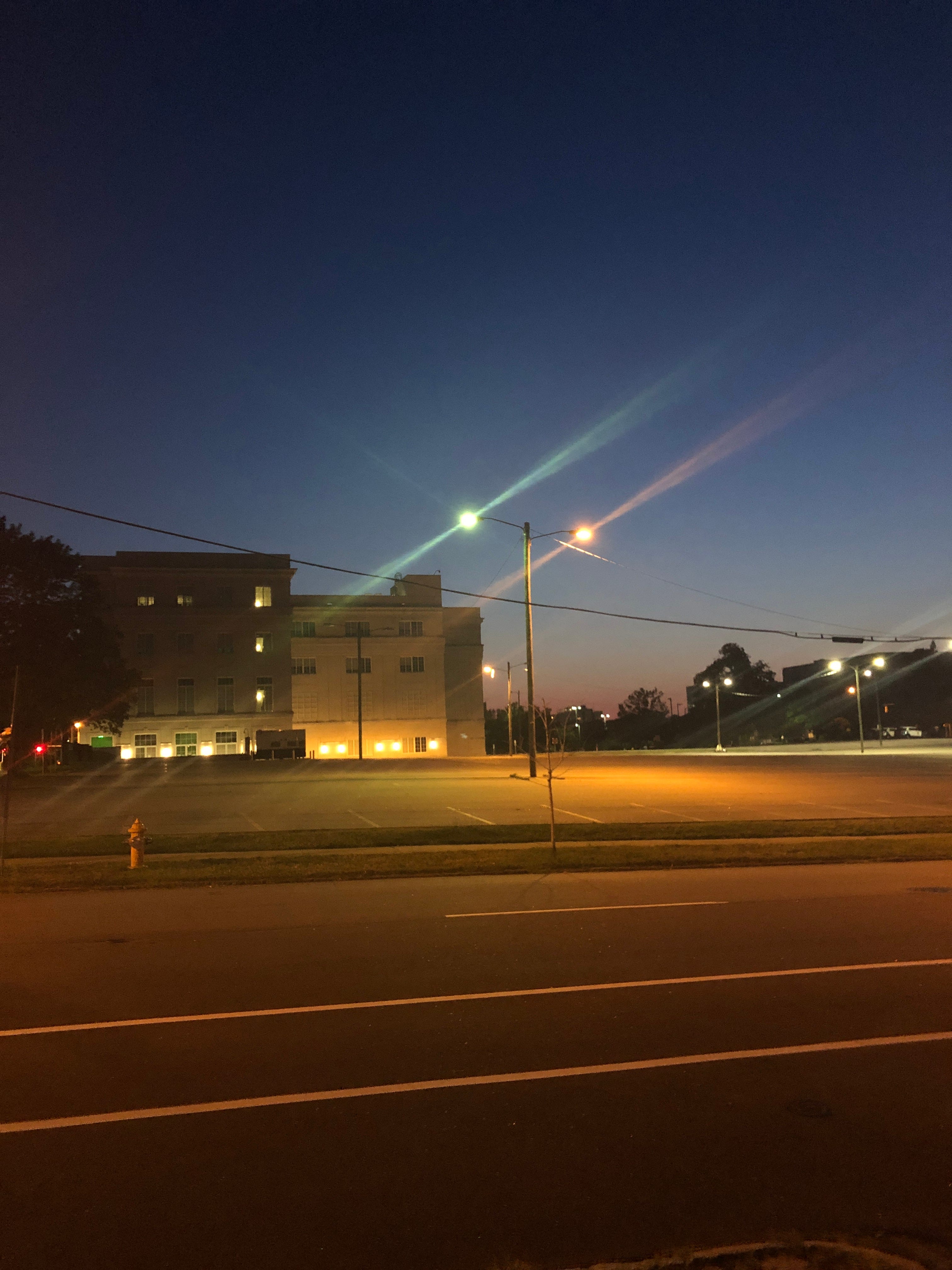
Raleigh at dusk (2020)
Listening recently to a few past episodes for nostalgia sake, a realization grew of how much this podcast played a significant role in the tenebrous periods of my life.
For the uninitiated, The Anthropocene Reviewed finds young adult author John Green reviewing ‘facets’ of our terrifyingly dysfunctional, though oddly beautiful, human world on a 5 star scale. His disarming melancholy articulation on everything from the Taco Bell breakfast menu, to Halley’s Comet, translates simple everyday things into complex & emotional entities. It’s a gorgeous view of how the seemingly ordinary things around us are so fascinating, to the point of sculpting our society.
Originally, The Anthropocene Reviewed kept me company on the long cross country journey from Phoenix to Raleigh in August of 2019, after accepting a job with Trophy Brewing Company as their head of wild & sour brewing. Along the drive, John’s voice became a friend without a face. A majority of the trip was lengthy stretches of vast plains, and the bleak beauty found within them. The visceral composure of the podcast integrated so effortlessly with the landscape as the open road lay before me. The Anthropocene Reviewed resonated on such a level never expected from a, you know, podcast. By the time Raleigh was appearing in the horizon, all published episodes at the time had been easily binged.
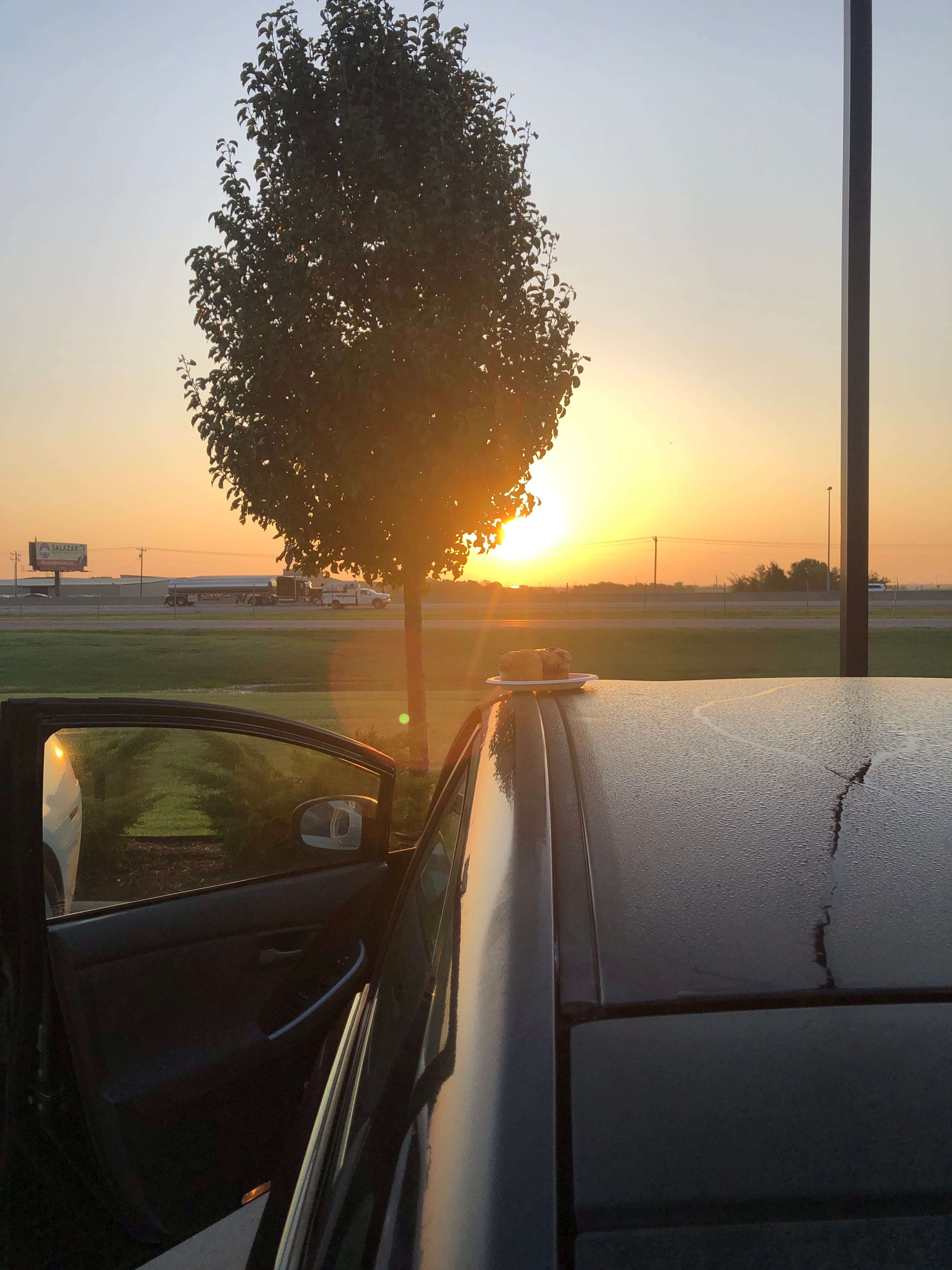
Somewhere between Phoenix & Raleigh
Six months later, the pandemic hitting full stride, The Anthropocene Reviewed became a personal beacon of hope. Weekly anticipation grew for the post-work evening walks on Thursday, those silent moments spent ingesting newly published episodes. Within those 20 something minutes, my mind could retreat to a place safe from the current state of the world. Even though there was vast loneliness and confusion surrounding our future beings, the podcast felt like a gathering place for lost souls. Like thousands of families gathering around an antique radio, listening with baited breath to the latest world news, is an image casting onto my mind now.
John’s episode on Staphylococcus Aureus was a particularly unique consolation during my many walks along the empty streets of Raleigh. Although debuting weeks prior to the pandemic shutdown, the virus just a speck in our mental background, I found myself returning to the episode as a form of stability amongst the chaos. When listening for the first time since the pandemic began, John’s words towards the end of the episode brought tears to my eyes, as he anthropomorphizes the bacteria in such a grounding way:
“To me, the great mystery of life is why life wants to be. Staphylococcus doesn’t want to harm people. It doesn’t know about people. It just wants to be, like that ivy wants to spread across the wall, occupying more and more of it. How much? As much as it can. So it’s not staph’s fault that it wishes to be. Wishing to be is the mark of life, and the glory of it.
The number of times this segment was replayed over and over again, I couldn’t tell you. A part of me was attempting to scratch an itch, knowing a prize was laying underneath. Finally, after walking far enough in the Raleigh streets, it all clicked. The coronavirus, just like staph, are in parallel. It’s quite difficult to humanize something so murderous, a blight on humankind, so devastating it changed the course of the future. But by deconstructing this foreign entity down to its ‘purest’ core, the ability to accept this harbinger of harm becomes much easier to understand. John’s sentiment helped me cope, especially during the height & confusion of the pandemic when so little was known, and disinformation was pungent. My mind could now comprehend the notion of a virus just desperately attempting to exist. To multiply. To survive. Just like any of us.
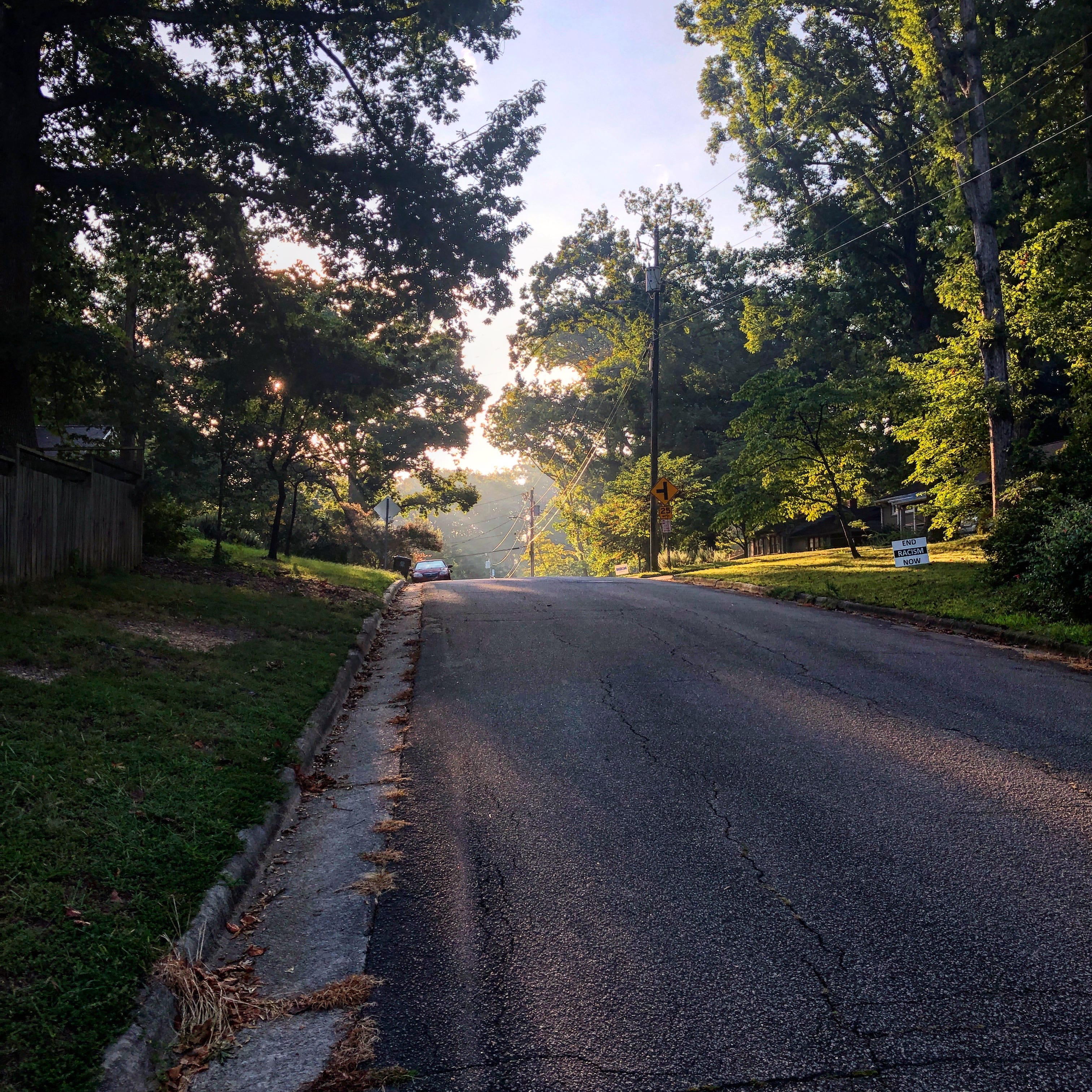
Raleigh morning (2020)
Even now, years later, those words live rent free in my head like a mental beach to daydream of in times of uncertainty. The application can oddly work with a multitude of scenarios, when you take the time to break things down to their binary code. Majority of the time, the reason is always survival. John may never know, but a silly little episode on a peculiar, although destructive, bacteria, gave me hope, and resolution, during one of the darkest times in the world.
Although The Anthropocene Reviewed went on hiatus back in the summer of 2021, my fandom for John Green never ceased. While TikTok doesn’t appear formally in my life, the videos of enjoyed creators tickle down various avenues to all social media platforms eventually. Lately, a nasty habit of enjoying video shorts right before bed has crept into my life, as though trying to catch up on missed worldly ventures. Disregarding one social media platform, in this instance, Instagram, has just been replaced with another vice. Regardless, John Green, and his brother Hank, are typically my first go-tos upon viewing such virtual landscapes. Last October, while imbibing in such bad habits, John Green released this clip:
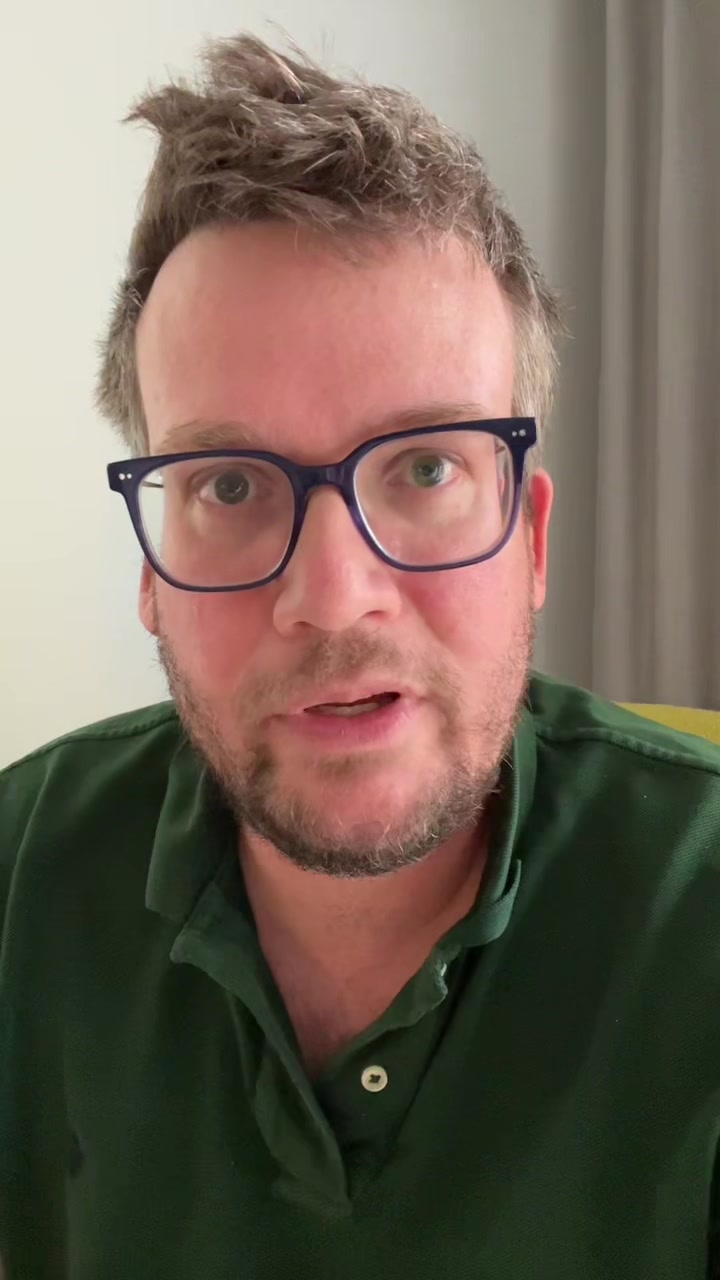
@literallyjohngreen#stitch with @amyooomy I believe the thing with feathers is singing even in the moments when we cannot hear.
 Tiktok failed to load.
Enable 3rd party cookies or use another browser
Well, you could say I was completely caught off guard. The second the short was over, my mouth was agape, shock delivering a mental and physical front. Once again, John Green had moved me to tears. These tears were a dam of emotion built up from the sunless situations of the past year. John vicariously released a recognition inside of me - a recognition of how the last 18 months had pummeled my mental well being. You don’t journey to find a 58 second video that’ll rattle your way of thinking right before bed, but life is full of surprises.
While John’s speech about hope did of course do a number, what evoked such emotion was Emily Dickinson’s poem. While trying to somewhat feign embarrassment, Emily Dickinson has never been a poet whose work has ever caught my eye, or be it, ear. In no way insinuating a lack of respect or criticism of herself (or her work), but more so an absence of exploring her poems. Funny enough, for my birthday last year, my partner gifted a gorgeous collection of honeybee/pollinator themed poems, and Emily’s work carves out a large chunk of the book. One would believe a poet whose naturalistic disposition in their poetry would ring loudly in my ear to dive deeper, yet here we are in confession. Basically, this is an attempt to try and cover up for the absence of my basic poetry schooling.
Hope Is The Thing With Feathers is synonymous with healing, and is congruent with my own hope, with all of our hope. At first, no effort was taken to depreciate a poem found from a TikTok video, but such was the stubbornness found within my grief. After some time though, the poem would return like migrating birds in summer to the lodges of my mind… At times when my energy felt drained, and the world had felt like it pushed my back against a wall. The words of hope - ‘never stopping at all’ - became another bedrock constant in my life.
While John parses the poem in the above video, the full version is an extensive perception into Emily Dickinson’s own unique style of composing poetry - one she would be faulted for having, despite being treasured and admired in the contemporary. During her time on earth, only 10 out of Emily’s 1800 poems were officially published - as she was reprimanded by publishers largely due to her style, as mentioned above. Her radicalism reminds me of another artist I quite admire, the Swedish pioneer of abstract art, Hilma Af Klint. Both tour de forces of their time, though not recognized for their prowess until sadly after their passing.
The full poem of “Hope Is The Thing With Feathers”:
*“Hope” is the thing with feathers - That perches in the soul - And sings the tune without the words - And never stops - at all -
And sweetest - in the Gale - is heard - And sore must be the storm - That could abash the little Bird That kept so many warm -*
I’ve heard it in the chillest land - And on the strangest Sea - Yet - never - in Extremity, It asked a crumb - of me.
Peering back, hope was always there, singing its song, whether or not my ears were open to listening. Whether or not my stubborn egotistical nature could accept I was truly suffering. Whether or not my mind could rationalize grief isn’t just black & white in nature.
Hope was moving into a new Brooklyn neighborhood, with fervent dreams of exploring every nook & cranny the streets had to offer. Hope was the spindrift of the East River as ferry rides became my welcomed mode of travel during the weekend. Hope existed in the sweat dripping off my brow as my legs propelled me up & down the stairs of Fort Greene. Hope was seeing one of my favorite bands play one of my favorite songs live (and beautifully devastatingly so). Hope was not about laying down and admitting defeat, but the delicate nuance of what becomes of us after existing through a once in a lifetime affliction.
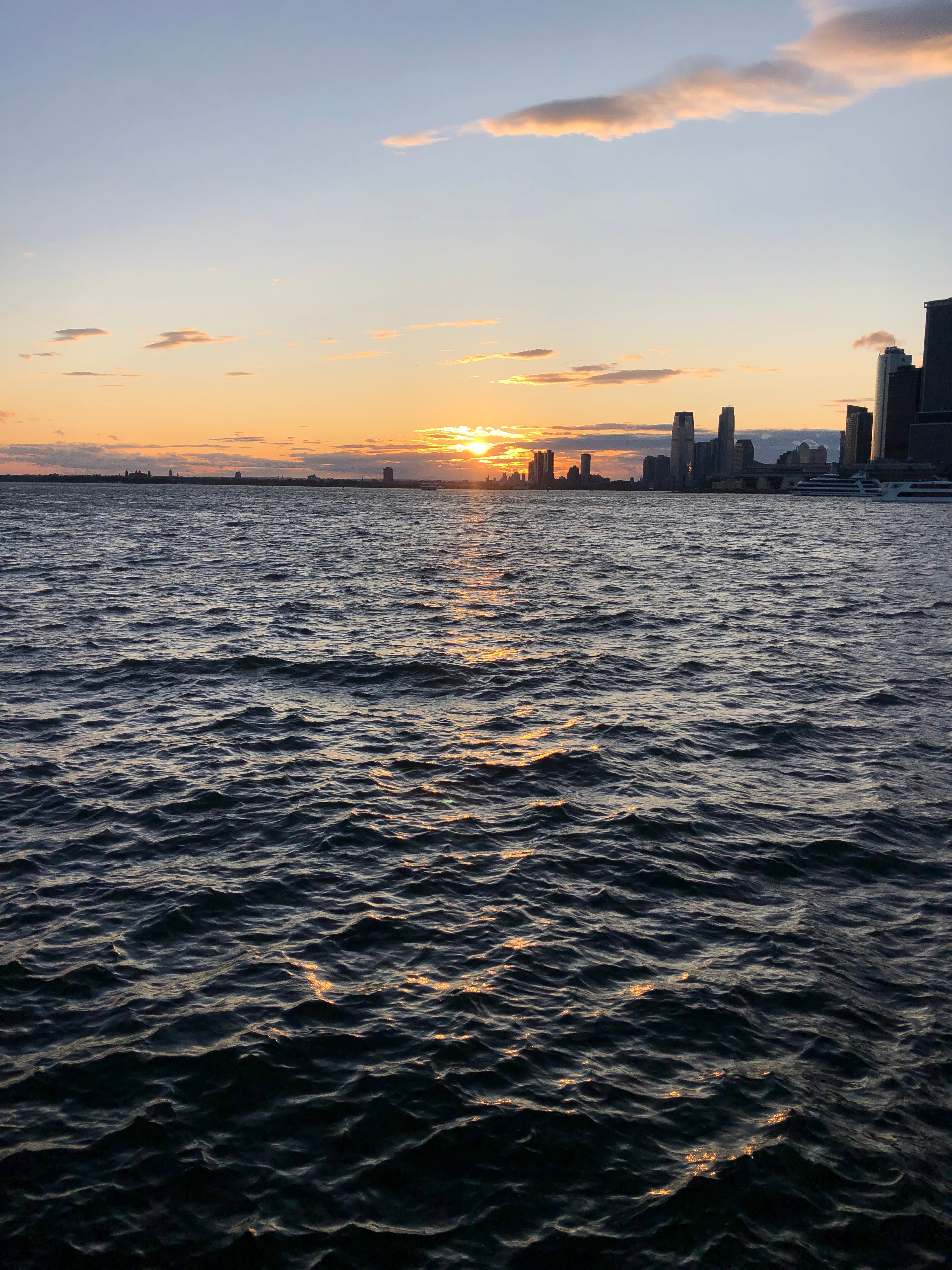
A sunset viewed from Brooklyn
They, be it those who have had encounters with the grief ocean, will often fail to mention the most crucial part of it all. Not maliciously or out of malcontent, but more so lacking the ability to truly express, or articulate understanding, to those currently experiencing grief.
The thing is, with grief, the waves will never stop coming. You will be surrounded by water for the rest of your life. By some point you will mostly be wading, but another constant is unearthed within all of this healing. Like the classic, often cliche, saying goes, time heals all wounds. In all honesty, those wounds never fully heal, but rather become a story, a notch in your human doorframe. But the importance, the highlight, here, is time.There’s no standardized recipe for how long healing takes. No doctor or specialist with a professional opinion of when the hurt will end. Just like each of us, our grief is unique as much as it is a mystery.
One day, you will feel better, given time. One day you will wake up, take soft notice of the morning sun illuminating the boundaries of your window frame. You’ll admire the beauty of the fragmented light as it streams through the slits in your curtains, placed gently on the wall beside you.
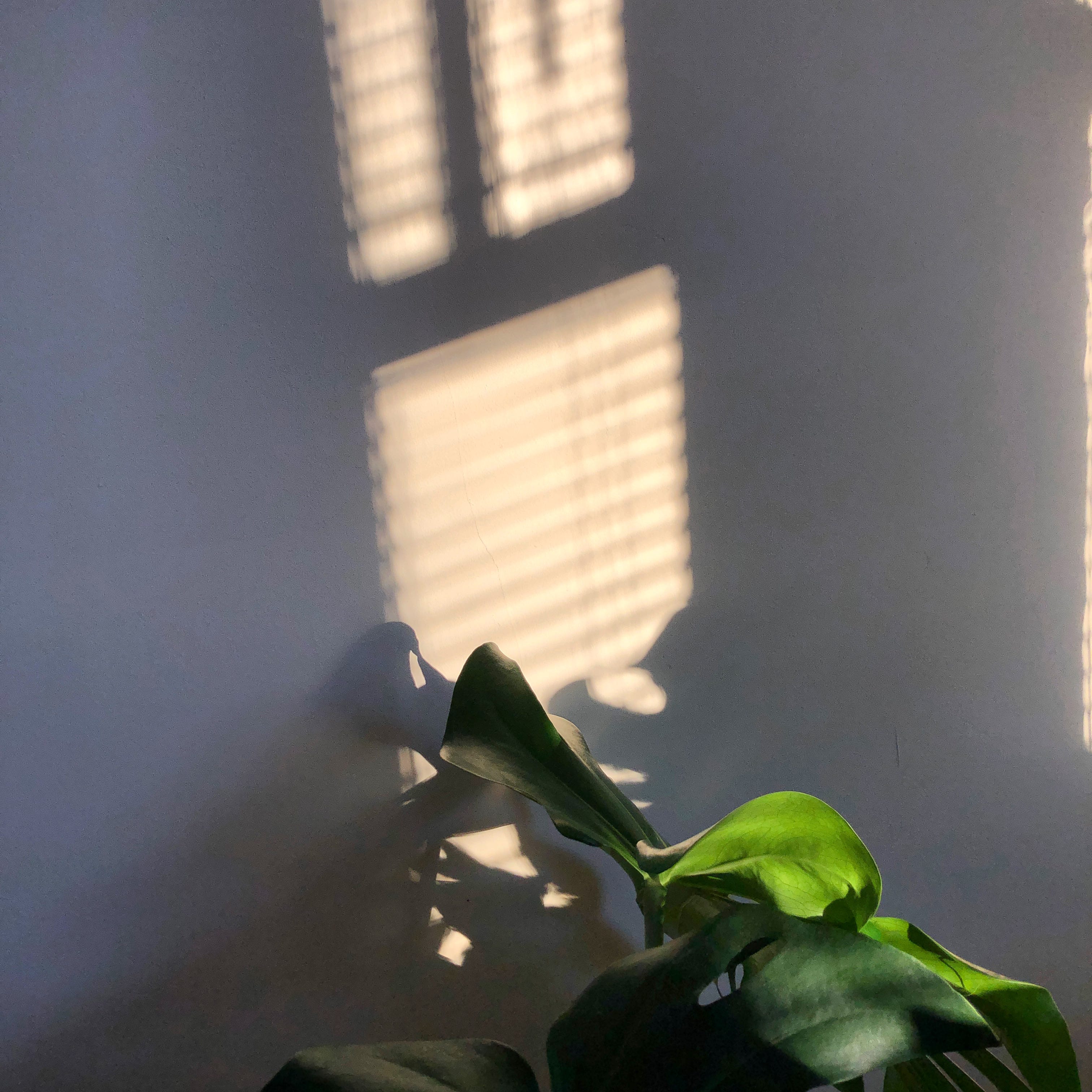
On this day, this particular morning, the song of hope will begin to occupy the space in which grief once overgrew. You’ll wake up, hear the faint whisper of its song, and find the world sucks a little bit less than it did the day before.
At some point it did, for me.
Until next time, Cornelius
PS: While compiling/writing this post, I enjoyed the companionship of the musician Gia Margaret (more specifically, their album Romantic Piano), this article about how a simple t-shirt has become a new ‘in the know’ NYC icon, and the word ‘sanguine’ (optimistic or positive, especially in bad situations).